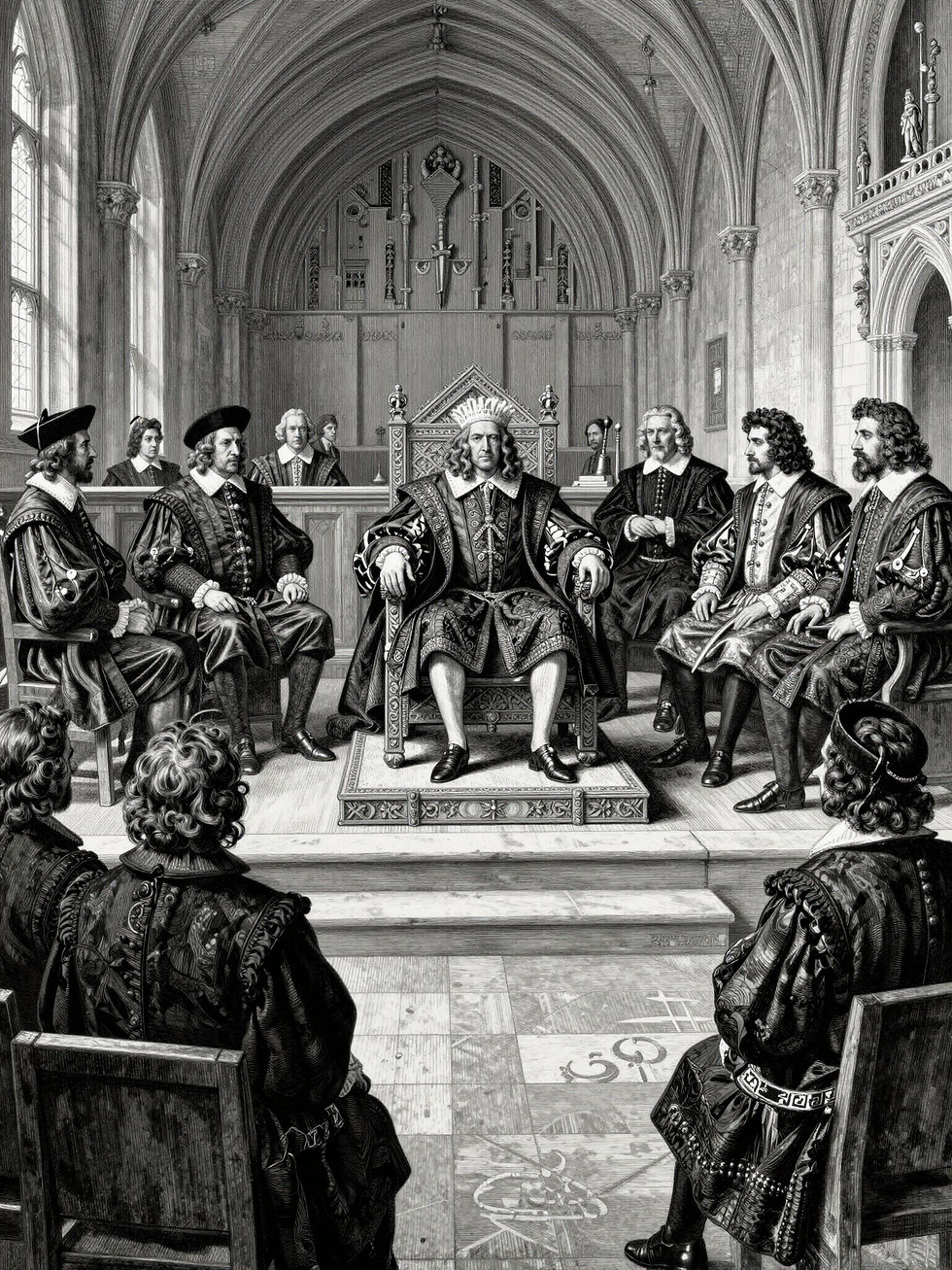
The Execution of Charles I
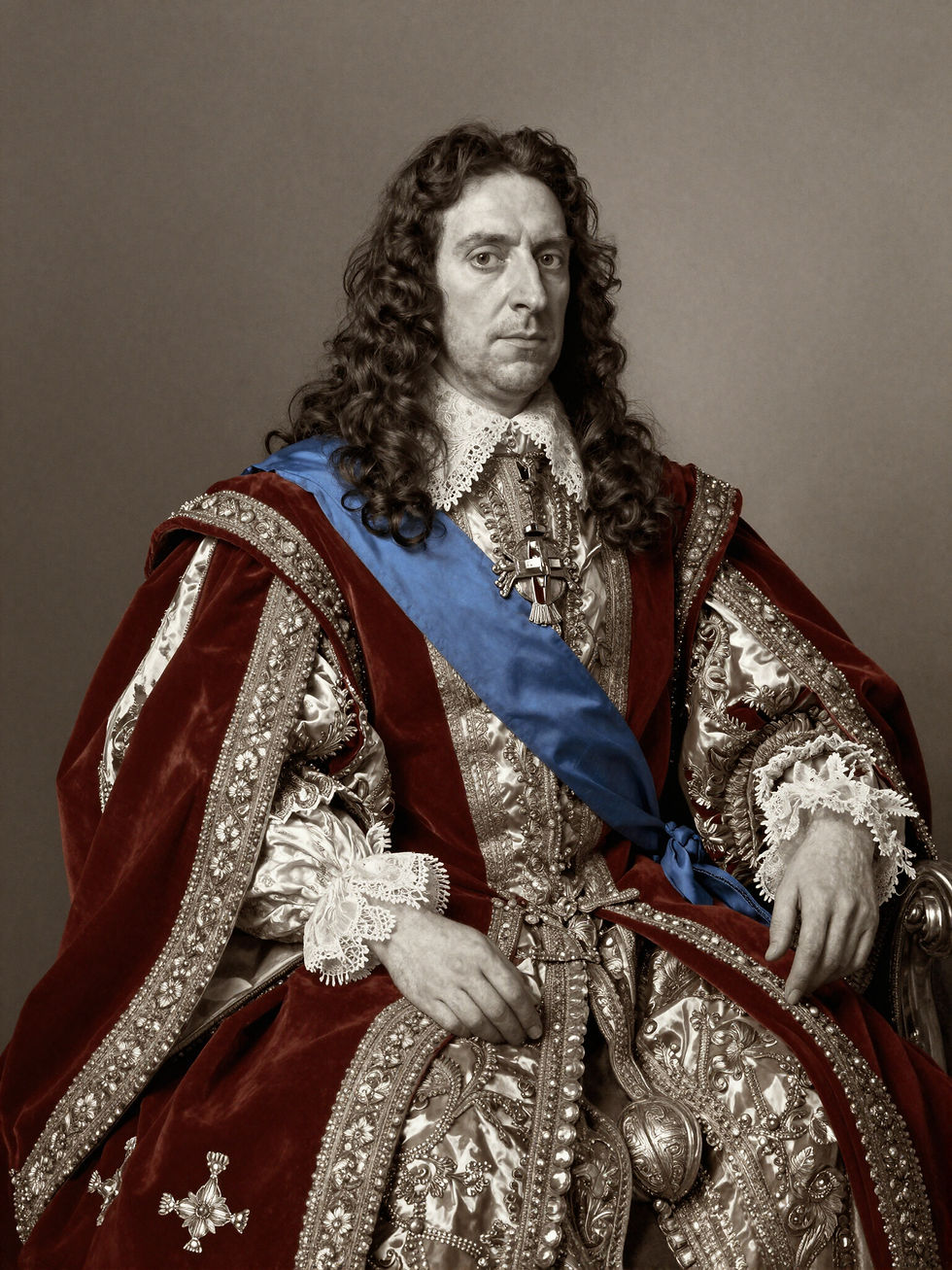
On 30 January 1649, Charles Stuart, King of England, Scotland, and Ireland, was beheaded on a scaffold outside the Banqueting House at Whitehall. He had been tried over the previous week by a specially constituted High Court of Justice, found guilty of high treason against the people of England, and sentenced to death. It was the first time in European history that a reigning monarch was tried and executed by his own subjects under public legal proceedings. The trial and execution closed the Second Civil War, formally ended the Stuart monarchy in England, and inaugurated the eleven-year Interregnum during which England was governed first as a Commonwealth and then as a Protectorate under Oliver Cromwell.
Background: from civil war to regicide
By December 1648 the parliamentarian cause had defeated Charles twice on the battlefield, but Parliament itself was deadlocked over what to do with him. A Presbyterian majority in the House of Commons remained willing to negotiate a settlement that would have restored Charles to the throne with limited powers. The New Model Army, increasingly dominated by Independents and radicals, had concluded that no settlement with Charles was possible — that Charles, as the Army's November 1648 Remonstrance put it, was a "man of blood" who would not honor any agreement and would resume hostilities the moment circumstances allowed.
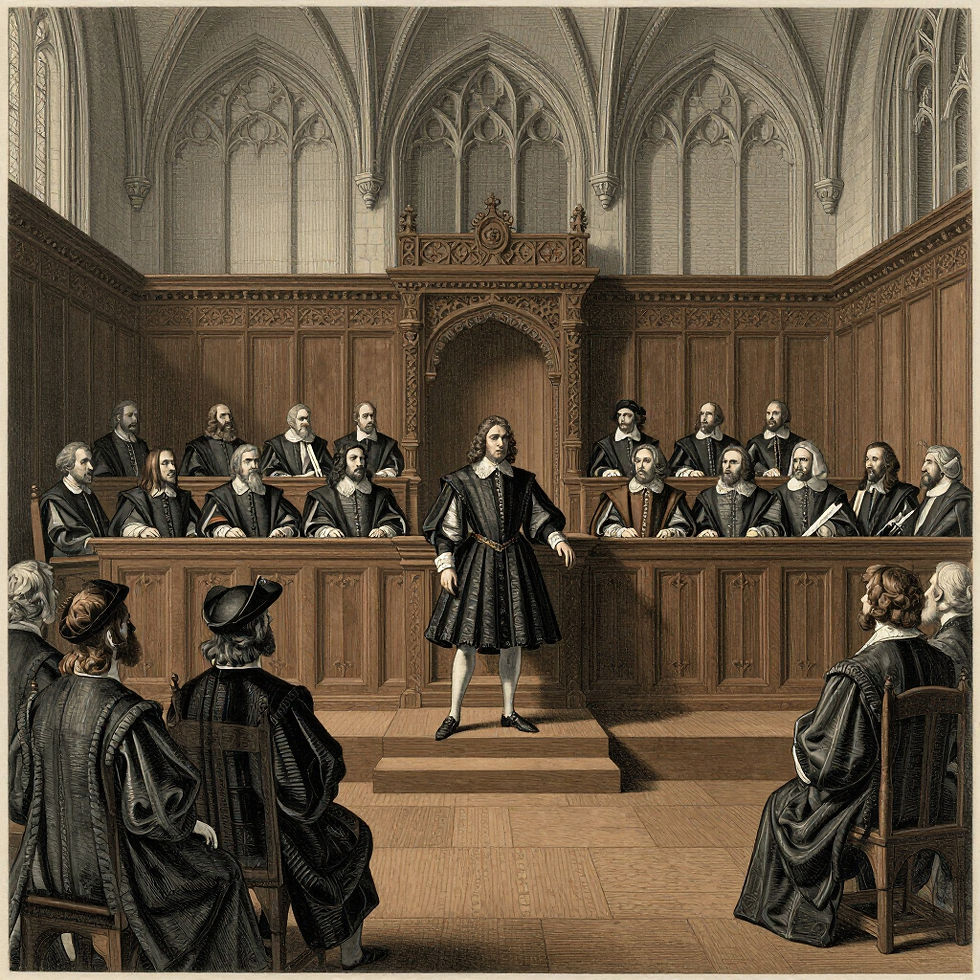
On 6 December 1648, Colonel Thomas Pride, acting on Army instructions, stationed soldiers at the entrance to the House of Commons and physically excluded the Presbyterian MPs who had been pressing for a negotiated settlement. The remaining body, the Rump Parliament, was the political instrument that would now try the king. On 1 January 1649 the Rump passed an ordinance establishing a High Court of Justice. On 6 January it passed a formal Act for trying Charles Stuart. The trial began on 20 January in the great hall at Westminster, with John Bradshaw presiding.
The Trial, 20-27 January 1649
The charge against Charles, drawn up by Solicitor General John Cook, accused the king of being a "tyrant, traitor, murderer, and a public and implacable enemy to the Commonwealth of England" who had used his trust as king to wage war against his own people. Charles refused to enter a plea. He challenged the court's jurisdiction, arguing that no power on earth could lawfully try a king and that the proceedings violated the fundamental laws of England. He returned to this challenge repeatedly across the four sessions in which he appeared. The court, for its part, treated his refusal to plead as a plea of guilty under the conventions of English criminal law.
Recent scholarship, particularly the work of Sean Kelsey, has argued that the trial was not a foregone conclusion. Kelsey has shown that the legal instruments establishing the court were drafted to keep multiple outcomes open, that significant numbers of the king's judges sought alternatives to the death sentence, and that the proceedings can be read as an attempt to force the king to submit to the new Rump authority in exchange for his life. On this reading, Charles's refusal to plead, his insistence on the court's absolute illegitimacy, closed off the negotiated settlement his judges had sought. Other scholars, notably Clive Holmes, have pushed back forcefully against this revisionist account, arguing that the language of the Army's November Remonstrance and the formal charge against the king both make clear that regicide was the intended outcome from the start. The Kelsey-Holmes debate is the central historiographical controversy on the trial.
Immediate aftermath:
On 6 February 1649 the Rump Parliament passed an act abolishing the office of king on the grounds that monarchy was "unnecessary, burdensome, and dangerous to the liberty, safety, and public interest of the people." On 7 February it abolished the House of Lords. On 19 May 1649 it formally declared England a Commonwealth. Within a week of Charles's execution, the royalist publishing apparatus had also begun its counter-attack: the Eikon Basilike, a book of meditations attributed to the king himself and styled as the spiritual testament of a Christian martyr, appeared in print and went through dozens of editions. The cult of Charles the Martyr was operational from the moment his head was struck off.